
Liturgy & Worship
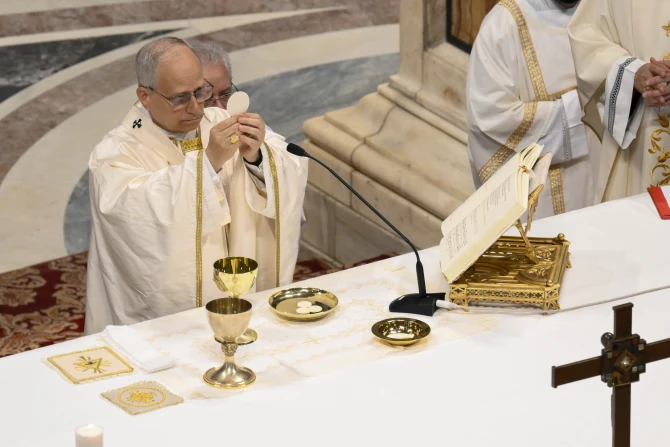
Liturgy is literally our worship of God
Liturgy is the structured, communal public worship of a religious group, a set form for praising God (like Mass or Divine Liturgy), while worship is the broader, internal expression of reverence and adoration for the divine, often expressed through liturgy, encompassing prayers, rituals, hymns, and sacraments that connect people to the sacred.
The word ‘liturgy’ denotes a pattern of worship used in church, usually in a prescribed form. The root meaning of the word comes from the ‘work’ or ‘service’ of the people of God. This is illustrated by the translation of Romans 12:1 in different versions of the Bible. In some, we offer God our ‘spiritual worship’, while others translate the same words ‘reasonable service’. A church poster to be read by people leaving church puts it like this: ‘The worship is over; the service begins’, but it could just as easily say, ‘The service is over; the worship begins.’ The Bible declares that worship or service are to be all of a piece with the whole of our lives, if we are not to become hypocritical. Those who worship God are called to live holy, just and compassionate lives.
Liturgy gives shape to our worship. The Acts of the Apostles reminds us that the early Christians followed a pattern of worship. It is expressed most succinctly in Acts 2:42 as ‘the apostles’ teaching, the fellowship, the breaking of bread and the prayers.’ (Note that it is not just ‘prayers’ but ‘the prayers’, suggesting a pattern of prayers, as was the case in the synagogue). This is what the followers of Christ ‘devoted themselves’ to when they gathered for worship, initially in their homes. The shape of their liturgies was set for them by what God was calling them to be and do. This pattern is both scriptural and sacramental, allowing for both formality and informality.
Liturgy involves participation
Doing things together: sitting, standing, kneeling, coming forward for communion, enhances our corporate sense of worship. Liturgy, through giving us shared things to say and do, also prevents worship from simply being the preserve of the leader.
Liturgy ensures that the whole Christian faith is proclaimed
Following the appointed scripture readings, we celebrate the liturgical year together, observing its times of lamentation and rejoicing. These patterns of worship ensure that we do not omit any of the key elements of Christian spirituality.
Liturgy teaches the faith
What we do and say in worship forms us as disciples and informs what we come to believe about God. Liturgy helps us to attend carefully to our words and actions in worship.
Liturgy passes on the tradition of faith
Each generation comes to worship shaped by what it has inherited: church buildings, prayers, liturgical actions, hymns and songs, teachings and creeds. Liturgy enables us to benefit from our past heritage while allowing for appropriate revision.
Liturgy offers us words and actions when we struggle to find our own
Liturgy can speak powerfully into the ‘wordless’ moments of our lives, by giving us a means of expression through the wise and beautiful words of others. It provides for times of tragedy and sadness and also for times of great joy and blessing.
Liturgy engages head and heart
Liturgical worship can express the deepest longings of our hearts.